
Common Causes of Bearing Puller Slip in Transmission Service
Check whether the jaws have full contact
Jaws need a solid, even edge behind the component. Partial contact on a thin lip, damaged face, or tapered surface can force the jaws outward under load.
Match reach and spread to the component
Too little reach makes the puller unstable; excessive spread reduces control and can bend legs. Measure the component and access space before selecting the puller.
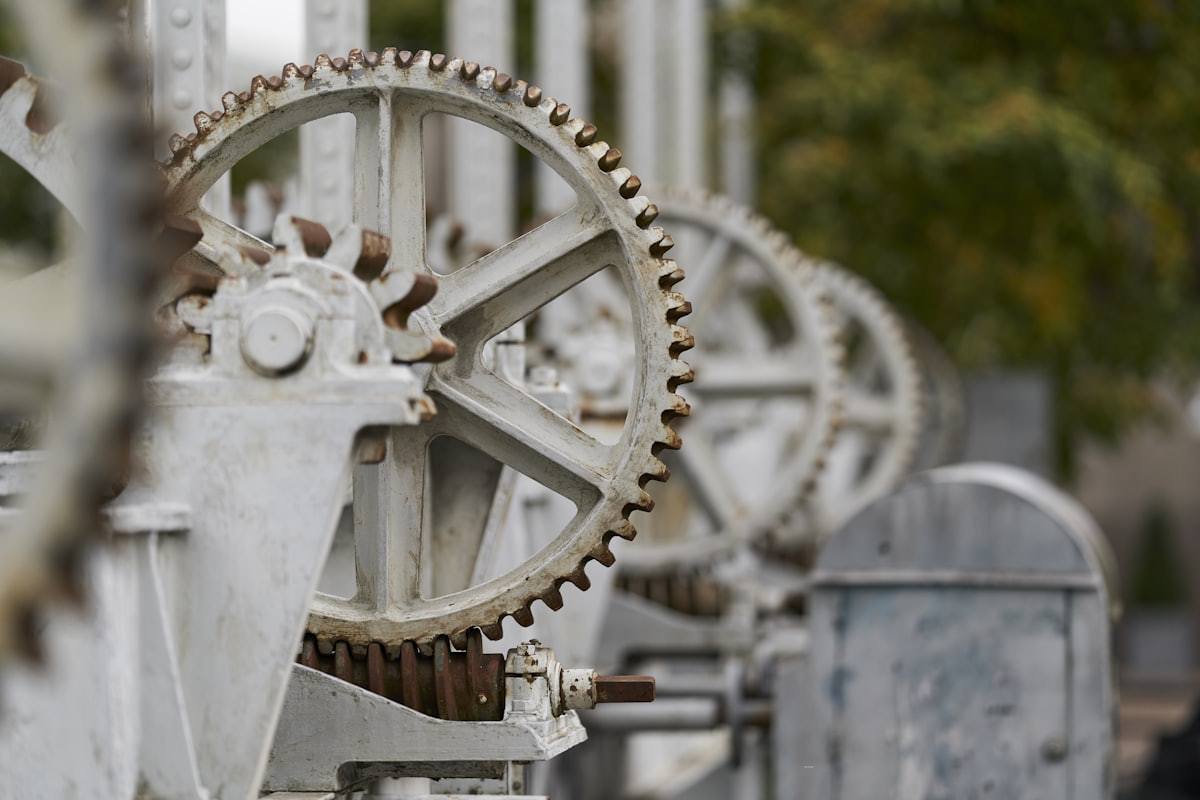
Keep the forcing screw on the centerline
An off-axis screw pulls at an angle and encourages one jaw to lose engagement. Reposition the setup until the screw, shaft, and puller body are aligned.
Use a separator for tight bearing access
Where there is no safe outer edge for jaws, use a correctly sized separator behind the bearing ring. Confirm that both separator halves contact the same robust surface.
Remove every retainer before applying force
Snap rings, lock plates, fasteners, and staked features can make a puller appear to slip when the component is still retained. Recheck the service procedure and the part itself.
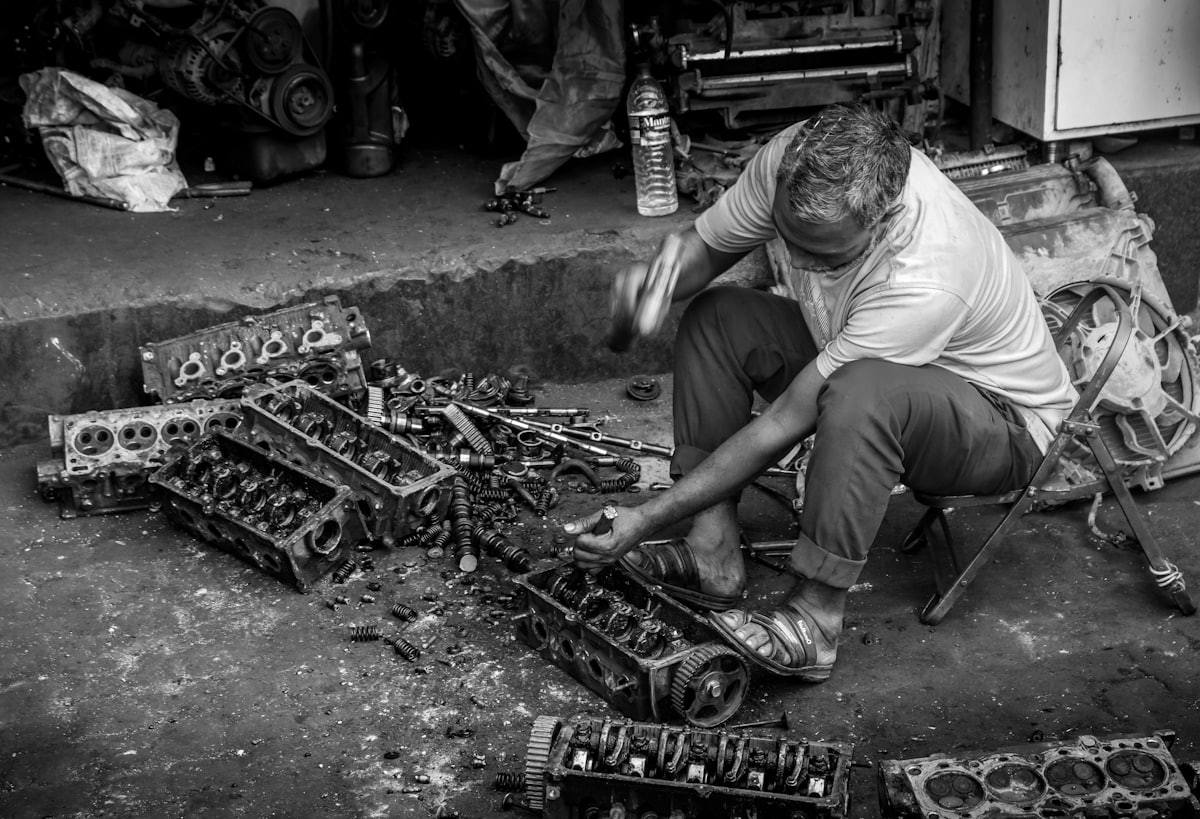
Inspect puller legs and forcing screws
Bent legs, worn tips, damaged threads, and dry forcing screws reduce grip and control. Remove damaged equipment from service and maintain moving parts as specified.
Stabilize the transmission and workpiece
Movement in the housing, shaft, or support stand changes the force path. Secure the assembly and use supports that prevent sudden rotation or dropping when the fit releases.
Control hydraulic force deliberately
With a hydraulic puller, every adapter and support must be rated for the expected load. Increase pressure gradually and stop at any jaw movement, noise, or component tilt.
Use a repeatable pre-pull checklist
Confirm contact, alignment, retainers, condition, and exclusion area before each pull. DNT Tools can help specify puller and separator combinations for common transmission applications.
For a puller, separator, or support fixture matched to your application, contact DNT Tools with the bearing and housing dimensions.