
How to Use a Slide Hammer Bearing Puller Correctly
Direct Answer
Use a slide hammer only after the attachment has a secure, centered grip on the correct race or internal bore. Apply short, controlled impacts in line with the removal path; stop immediately if the attachment shifts, the bearing cocks, or the resistance rises unexpectedly.
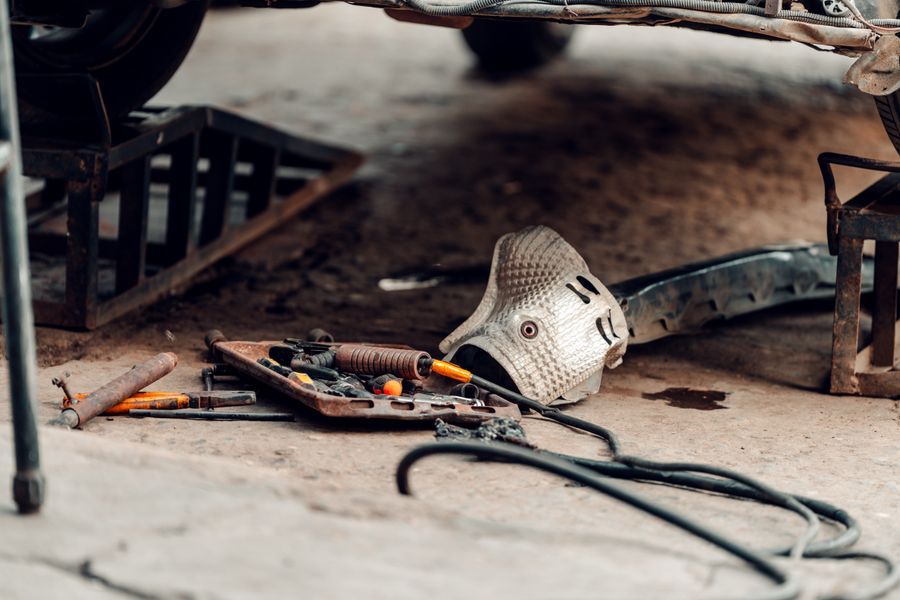
When a Slide Hammer Is the Right Choice
A slide hammer is useful when there is no practical spindle support or when an internal attachment must pull a bearing, bushing, or sleeve from a recessed location.
Choose the Correct Attachment
Match an expanding collet to the actual bore range, or use a dedicated bearing attachment that bears on a robust surface. Do not rely on a loose or shallow contact.
Inspect the Tool Before Setup
Check the threaded connection, stop, shaft, attachment, and sliding weight for cracks, bent parts, worn threads, or loose fasteners. Wear eye protection and gloves.
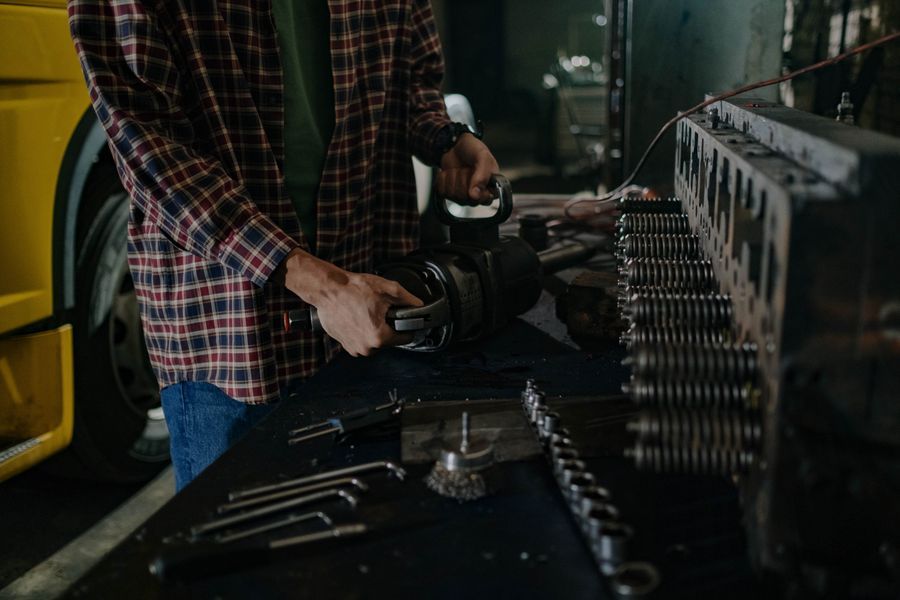
Seat the Grip at Full Engagement
Insert the attachment to the available depth and tighten it as specified. Confirm that it loads the intended race or sleeve rather than a seal, cage, or soft housing edge.
Keep the Load Path Straight
Position the slide hammer so its shaft follows the component centerline. A side load can tilt the bearing, damage a bore, or release the attachment.
Use Controlled Impacts
Start with short, repeatable strokes. Let the weight transfer force through the tool rather than using uncontrolled blows or twisting the assembly between impacts.

Know When to Stop
If the component does not move after sensible controlled attempts, reassess access, corrosion, fit, and puller choice. More impact is not a substitute for correct engagement.
Clean and Check the Bore
After removal, clean debris, inspect the bore and shaft for scoring, and confirm that the replacement part will seat on an undamaged surface.
Frequently Asked Question
Can a slide hammer remove every stuck bearing? No. High-interference, large, or heavily corroded parts may need a separator, bridge puller, press, or hydraulic method.
For application-specific puller selection, DNT Tools can help review bore size, access, reach, spread, and pulling method before service.