
Choosing Pullers for Blind-Hole Bearings and Recessed Components
Direct Answer
For a blind-hole bearing or recessed component, choose an internal puller with an expanding collet that matches the bore and can engage deeply enough to distribute load. Pair it with a bridge, yoke, or slide hammer that stays centered and clears the surrounding housing.
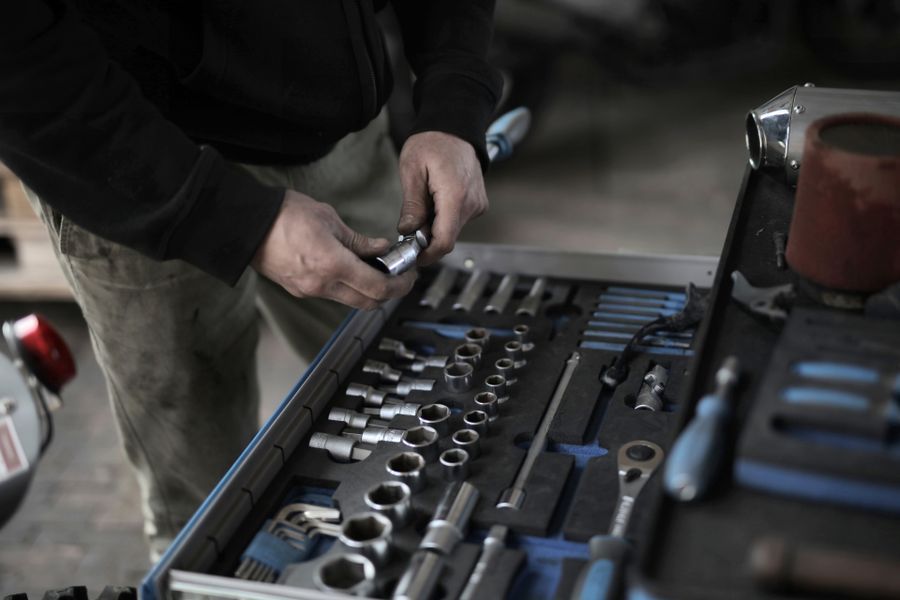
Identify a Blind-Hole Application
A blind-hole bearing sits in a bore with no accessible back side. External jaws cannot get behind it, so removal must grip from inside the bore or use a dedicated cup attachment.
Measure the Bore Rather Than the Outside Diameter
Collet selection starts with the bearing or sleeve inside diameter. Use the manufacturer expansion range as a limit, not a target to exceed.
Check Engagement Depth
A collet needs enough internal depth to hold the component securely. Shallow engagement can pull the collet free or deform the bearing cage.
Select the Pulling Method
A slide hammer suits accessible, moderate-force jobs. A bridge or yoke puller is often better when the housing needs a steadier, more controlled extraction force.
Protect the Housing Face
Use a correctly sized bridge or support surface so the reaction load is spread over sound material. Avoid levering on thin cast edges or painted surfaces.
Keep the Collet Centered
The collet, forcing rod, and puller must share one centerline. Correct alignment reduces cocking and limits damage to the bore.
Plan for Seized Components
Rust, adhesive, or a high interference fit may require a different puller arrangement. Do not exceed the rated range or force of the collet and puller.
Inspect After Removal
Check for pulled material, scoring, corrosion, and debris. Correct any bore damage before installing a new bearing or bushing.
Frequently Asked Question
Is one collet size close enough? No. A near-size collet can slip or concentrate load. Use a collet whose working range properly covers the measured bore.
For application-specific puller selection, DNT Tools can help review bore size, access, reach, spread, and pulling method before service.